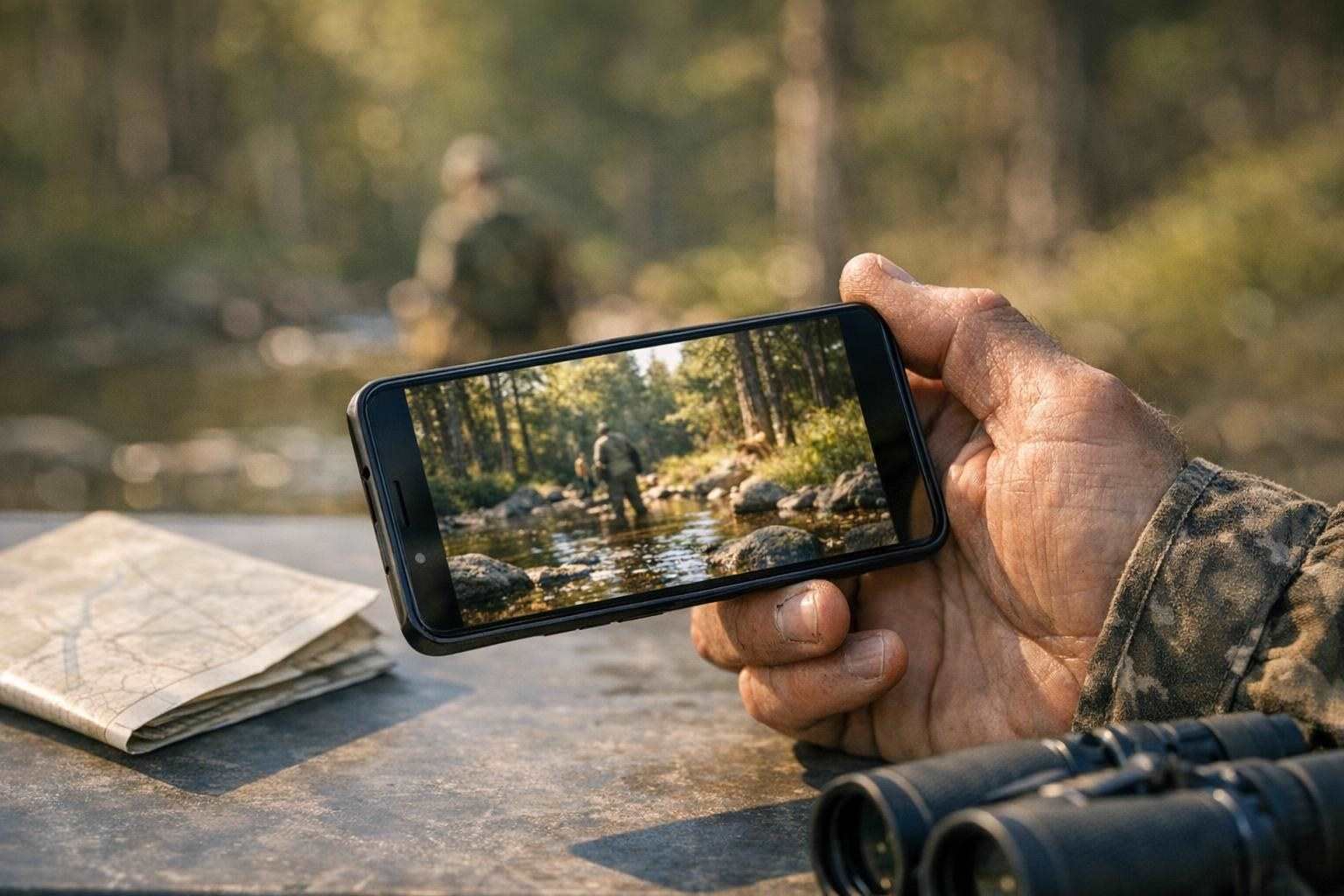

A simple memory from a successful hunt can be very valuable. Yet the image also contains personal information of individuals involved, information on private property, and even details of how to access a location most productively. You need only ask for permission to post such images and outline what sort of information will be removed, where it will be posted, and what the caption will contain in relation to the actual image.
Start with the people in the frame
Identifiable people in the image need to be asked for permission to post the image online. This can include the hunter who shot the animal, guides, landowners, family members, other hunters on the trip and even strangers in the background of a photo with you and others in it. Just because someone agreed to have their photo taken for a group shot does not mean they are okay with you posting that online.
Be direct in asking for permission and describe where you plan to post the photo. If you intend to reuse the photo later, you should let the individual know as well. While formal permission is not required for a personal photo to be posted to a personal account, it is only fair that the individual be made aware of how their photo will be used.
If no response is received, use another photo, remove them from the rest, or do not post the photo. A simple blur of a background face may not be sufficient to anonymize them, so it is better to remove them from the post altogether.
Treat land and location details as private
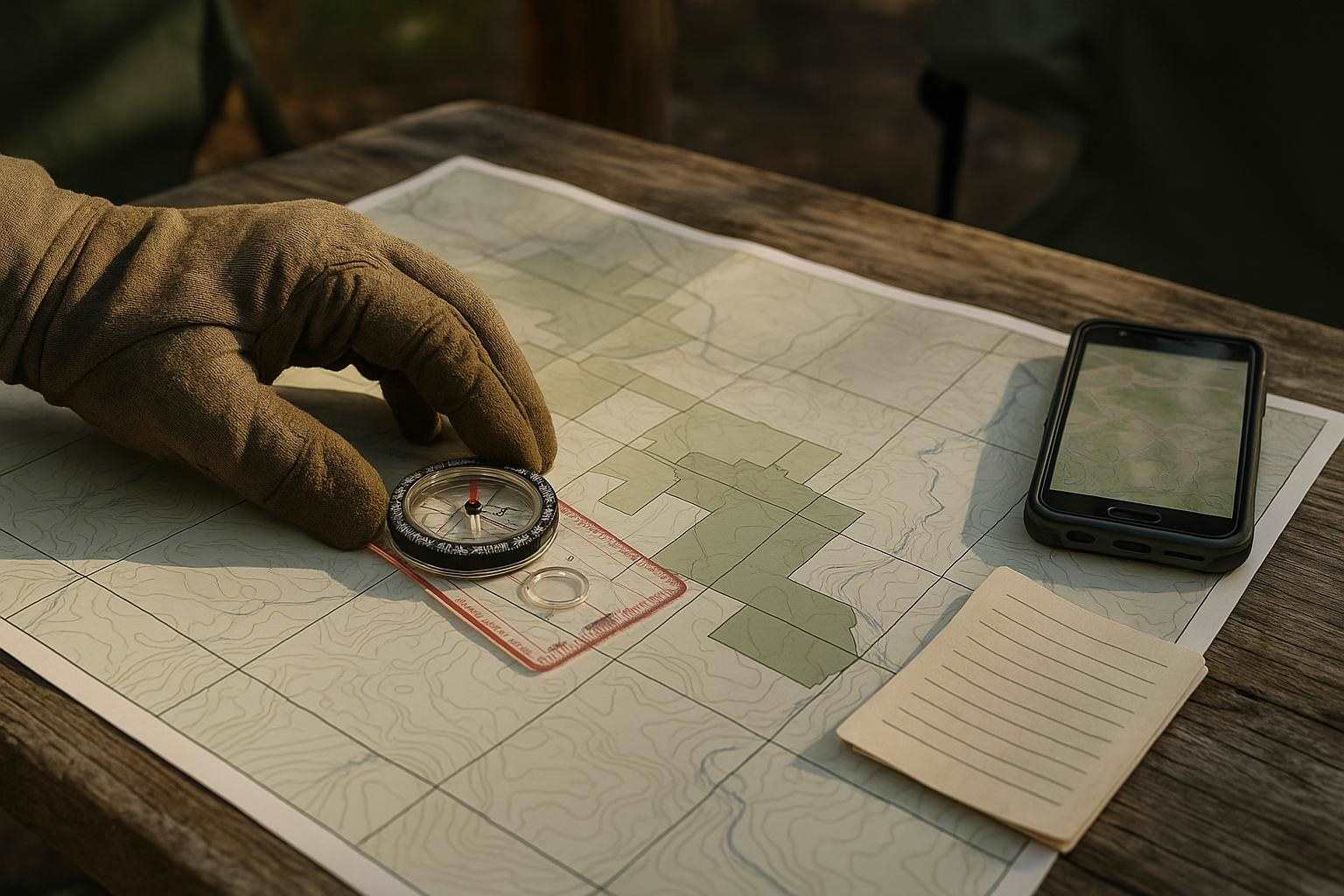
Sharing a hunting photo of another can reveal more than just their face. A picture of a gate, a distinctive ridgeline, trail signs, a road junction, a cabin, a parcel boundary marker or even a map screen can allow someone to determine the location where the photo was taken. Even a simple caption of where one was hunting and under what weather conditions could potentially be used to locate a hunter.
Even when sharing only the hunting itself and not any specific location or land, be sure to inspect all parts of the photo before posting, including edges, reflections, etc. Check the caption as well as any location tags and automatically added metadata, and find out about any changes to the privacy settings for the app or on your device.
Permission from the landowner for the hunt to be posted online should also be asked for. Even though permission for the hunt has been granted, this does not mean images of the property, the access to the property, the buildings on the property, etc. can be posted online. The hunter should ask the landowner what he or she is willing to have posted online and stipulate this in the image's caption.
A useful rule to consider is this: could a complete stranger use this photo to find where you hunted? If so, reduce the image to mere memory or keep it private.
Check the story before adding a caption
Captioning a simple photo can actually create more of a story that can affect others. Try to keep the caption short and true to what actually happened on your trip. Don't imply permission to hunt on a person's property, exaggerate the harvest, or describe private access in too much detail.
Where possible, be accurate but short in your story telling. Don't imply you have hunted on private land when you actually haven't, don't exaggerate your harvest, or give a false impression of how you gained access to a property or person. Treat your partners as you would want to be treated – if they don't want to tell the story then don't tell it for them.
If you're unsure whether you have the right to post a picture of your hunting harvest, consult with your community's standards of fair hunting and check the regulations pertaining to the particular species you hunted in that location. Up-to-date information is usually readily available from relevant government websites or by contacting the relevant department directly.
Use a permission routine that survives a busy trip
Make a permission decision when the photo is taken. Set up a process for yourself and your hunting partners to make this decision quickly and easily. Store the image approved for distribution in a separate folder from images you decided to keep private. Clearly label the folder containing private images.
A short checklist helps:
– Who is identifiable in the image?
– Does the frame show private land, access information or sensitive habitat?
– Are location tags, metadata or background details revealing more than intended?
– Has everyone understood where the image may appear?
– Does the caption preserve the facts without disclosing someone else's private business?
Make sure approved images are stored in a different folder from private ones. It is best to label private images with 'private' in the title. Even if one person owns the phone or camera used to take images on a hunt, those images are everyone's property. Determine who can add to, delete from or post from a folder in a group situation.
This would also be wise for other content you plan to distribute such as magazine articles, club news, or sponsored content. Ask for written permission and clearly outline who, what, where, when, why, and how the content will be distributed. Substantially different distribution would then require re-approval.
Know when not to share
Even when everyone shown in the images has agreed to their publication there are many images that are best not put on the internet. Images of sensitive work in habitat improvement, vulnerable breeding colonies, specific access points and sites where animals are recovering from injury or neglect can all cause harm. Additionally, images of dangerous behavior, of distressed animals, of personal identification documents and of private conversations are best avoided.
One simple rule is to wait a little time after the hunt and get the permission to share photos of the places you hunt before you upload the pictures to the internet. Take off the geotags (if any) and remove sensitive information such as trail maps, license plates, etc. Also, remember to crop out recognizable features of private property, roads, etc. One more thing, do not rely on the privacy settings of a platform to keep a post private. Such posts can be screenshoted and then shared with others.
If someone later decides that he no longer wants a particular photo to be posted online, then it must be removed from all your online platforms immediately and all obvious copies must be removed as well. (Note that you will probably be unable to remove all copies of a photo that you have posted online, but that doesn't mean that you shouldn't try to remove as many as possible as quickly as possible. A prompt and polite response to someone who has complained about a photo that you have posted online is far better than arguing with the person about who technically owns the original copy of the photo.)
While good photography of a hunting trip attempts to retain memories of companions, of the work and toil put into the trip, and of respect for the locations where you went for hunting, permission keeps you from unintentionally revealing information about others. So just because you took a photo does not mean you should publish it. If in doubt about a photo then opt for less revealing photos or refrain from publishing them altogether.